Heirloom Seed Saving Handbook

Your personal survival seed bank

Danny Gansneder


Copyright © 2015 by Duel City Books

All rights reserved. This book or any portion thereof may not be reproduced or used in any manner whatsoever without the express written permission of the publisher except for the use of brief quotations in a book review or scholarly journal.

First Printing: 2015


Contents

An Introduction

Heirloom Seeds: An Understanding

Definition

Where They Came From

Why Heirloom Seeds are Making a Comeback

The Significance

Distinction Between Types of Seeds

Open-Pollinated Seeds

Heirloom Seeds

Hybrid Seeds

Who’s Growing Heirlooms

The Benefits

Health Benefits

Monetary Benefits

Accomplishment Benefits

Growing

Where to Get Your Seeds

Growing Healthy Seeds

Planning Ahead

Isolation

Pollination

Purity

Isolation Using Time

Caging

Bagging

Stress on Heirloom Seeds

Early Stages of Seed Adaptation

Maturation Seed Stage

Biennial Seeds

Harvesting Seeds

Characteristics of Healthy Seeds

Consciously Choosing Seeds

Cleaning and Storing Your Seeds

Cleaning

Storing

Specifics of Common Seeds

Amaranth

Arugula

Basil

Bean Family

Beet Family

Broccoli

Broomcorn

Brussels Sprouts

Cabbage Family

Cantaloupe

Carrot Family

Cauliflower

Celery

Chinese Cabbage

Chinese Mustard

Chives

Collards

Cilantro

Corn

Cotton

Cowpeas

Cucumbers

Dill

Eggplant

Fava Beans

Fennel

Garlic

Garlic Chives

Gourds

Kale

Lamb’s Quarters

Lettuce

Melon (honeydew and musk)

Mustard

Okra

Onion

Parsley

Pea (garden and snow)

Peppers

Pumpkin

Radish

Sorghums

Squash Family

Sunflower

Swiss Chard

Tomatillo

Tomatoes

Turnip

Watermelon

All Set to Start Saving

Thank You

An Introduction

You may have heard the terms saving seeds or heirloom seeds mentioned by farmers, agriculture professionals, or garden enthusiasts, but do you know what these people are referring to when they use these terms? If you answered no to the previous question, this book is the text for you.

Heirloom seeds have been around for hundreds of years and are still being used today. Farmers and gardeners have, surprisingly, managed to continue the use heirloom seeds as well as save seeds alongside modern-day science. Today, farmers and gardeners tend to rely heavily on hybrid and genetically modified seeds for the benefits of high yield, symmetry and consistent colors, but there are still many people out there who appreciate the art of saving original organic heirloom seeds. This is what then what contributes to constitute an heirloom seed and establishes a person as an heirloom seed planter.

At this point, you’re probably wondering if this is something you could also do. This book will take you through a brief history, definition of heirloom plants and planters, the maintenance that will be involved in keeping seeds pure, what keeping seeds pure entails, and whether or not becoming a person who strives to preserve natural, untreated seeds is right for you.

Continue through this concise guide to become an expert in seed saving and heirloom planting.

Heirloom Seeds: An Understanding

Now that you’ve had a short introduction on heirloom seeds, it is important to delve into exactly what heirloom seeds are, where they came from, and why they currently seem to be making a comeback.

3802935454_bbfced191c_z.jpg

Photo by Steven Depolo / CC BY-SA 2.0

Definition

There is no one definition for what heirloom plants are exactly, or what exactly constitutes a seed to be an heirloom seed. Some would describe it much in the same what that any heirloom, like jewelry or furniture, would be described – an antique. It is something that is passed down, something that has been around for years, something that has history. This is the flowery, flouncy sort of way to describe heirloom seeds, but no doubt where it’s name can be argued to originate from.

Another person may simply describe and heirloom seed as pure or organic. In order for a seed to be one of heirloom value, it has to be natural, untreated with chemicals and not crossbred with any other type of genetically modified or chemically treated seeds, but not all pure, natural seeds are heirlooms. This is also what many people would consider an organic plant, vegetable, or flower. Heirloom seeds are not Genetically Modified Organisms/Seeds, GMO or GMS. The general consensus when it comes to heirloom seed vegetables and fruits is that they are the healthier and more flavorful option versus the chemically treated version. Another thing to understand when talking about GMO/S versus natural is to never mistake heirloom seeds for hybrid seeds. Hybrids are crossbreeds between two different seeds and generally have to be replaced each year after harvesting whereas heirloom seeds get their name because they can be saved and reused from season to season. Although, it is possible to breed your own varieties of plants starting with heirloom seeds, the new seeds from the crossbred plants will no longer be heirloom seeds. These new hybrid seeds, as long as they are left organic, can still be all-natural, but have lost the ability to be called heirlooms.

People may also refer to heirloom seeds as seeds that are open-pollinated, but it is incorrect to solely consider an open-pollinated seed to be an heirloom since heirloom seeds have to have been around for so many years before they are considered an heirloom. Heirloom seeds are antique. Seeds have to have been around for quite a few years to gain the title heirloom. Farmers and gardeners experiment and cross breed with heirloom seeds today and, since these new breeds have not been around for enough years, they are not considered to be part of the heirloom seed family

Given all this information, an heirloom seed is one that is not chemically treated, not crossbred with other seeds, one that does not need to be rebought each year, and one that has been around for a certain amount of years, although it is debated how long this time is. Heirloom seeds are harvested from the new plants and stored each year to be planted or sold in the next growing season. Heirloom seeds are often said to produce purer vegetables that taste better.

Where They Came From

It is debated how old a variety of heirloom seeds have to be in order to be considered an heirloom. Some say this number has to be at least 100 years old. There are others that argue 50 is old enough to be able to fall into the heirloom category. There are others yet that will argue that 1951 is the latest year that a plant can be considered an heirloom seed. This is because after World War II hybrids started to become more popularly used for commercial growing and selling.

Today, all fruits and vegetables that are sold commercially are grown from hybrid and/or chemically treated seeds. This trend, although gaining more popularity in the 1950s, started in the 1920s and 1930s. It took over for many reasons including but not limited to the hybrids ability to thrive in all growing and harvesting conditions, hybrids’ being easier to pack and ship with less bruising and smashing on the trip, hybrids’ ability to fight off disease, and hybrids’ consistency in size, color, and taste. Hybrid seeds revolutionized the agriculture industry and, although they are the ones you see most often, have taken much away from the diversity in taste, color, and shape of the natural heirloom seeds.

Unlike the popular chemically treated and mass-produced hybrid seeds that need to be replaced each year, heirloom seeds hold something much deeper than just diversity; they hold history. There are many stories that are held in the seeds that are saved each year. Seeds used to be a possession that could not easily be replaced. The seeds were a part of a person’s life, especially since depending on growing  for yourself, a family, and a small community has been exceptionally important throughout most of history Heirloom seeds often held a part of a person’s identity. Just as we would think to grab a photo album or a special family trinket in the instance of a fire, people through the years have chosen their seeds. This is the main contributing factor that causes these seeds to get their names. Seeds used to be so imperative to people and their lives.

These seeds were so significant that emigrants took their seeds with them when they chose or were forced to move to a different place often including different countries. This is how we see through history plants that are not native to a certain environment start to crop up in that place. Some of these early developments included potatoes and tomatoes starting to crop up in Europe. These two seeds were not native to European countries and when immigrants first brought their tomato and potato seeds, most of the natives believed the foods to be poison, since they were not used to seeing this type of plant. Immigrants and Emigrants took their seeds with them and continued to plant them in their new homes. These people did not just grow food, they grew a history; they grew their history.

There are many seeds that would be extinct today if they had not been continuously passed down through the generations. There are many heirloom seeds that are based on what families suffered, endured, or discovered while growing their seeds. One example of suffering that gave name to an heirloom seed is the seeds that were carried on the Trail of Tears journey. When the Native Americans of the Cherokee tribe were forced to relocate and march through the smoky mountains, they carried with them a specific seed breed of the brown beanpole category. The specific seed that they carried was then named after them and their struggle.

This has happened extremely often in human history. Seeds have played an essential role in not only providing food, but also providing a little something more. This is why it is so imperative to continue planting and saving heirloom seeds. By doing so, we preserve something that is special to many people, maybe something that is even special to you.

Why Heirloom Seeds are Making a Comeback

With everyone jumping on the bandwagon to make healthier choices and choose naturally grown foods, it makes complete sense to want natural seeds that have not been chemically modified or treated. Many people tend to think of organic when it comes to heirloom seeds and this is the healthier choice to them. Heirloom seeds do not require stimulant pollination or fertilization, since they are open pollinated. Everything happens naturally and that puts people’s minds at rest. Heirloom seeds are grown under the guidelines of the USDA as well as agencies including CCOF, OCAI, OAI, and Oregon Tilth, which make sure that these seeds are grown organically and the growers follow strict guidelines to ensure optimum health benefits.

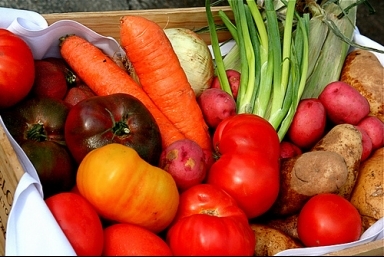
Heirloom seeds’ fantastic taste was sacrificed so that commercially-grown plants could be generated to all look and taste exactly the same. Heirloom plants do not all look exactly the same. Take heirloom tomatoes for example. Heirloom tomatoes do no always look like the tomatoes you will find in the grocery store. Sometimes heirloom tomatoes can look a little deformed. They can be more lumpy, smaller, or larger. Shape is not the only thing that can vary, though. They can also vary in color. An heirloom tomato can grow green just as much as it can grow red. Taste is something that also contributes to heirloom plants. Taste can vary between the same variety to sweeter or bitterer. All these factors give heirloom seeds a sense of flair and uniqueness that then makes a garden or farm more unique. Add that to the benefits of all-natural crops, heirloom seeds are a great choice.

However, these distinctions make a difference in the supermarket, since consumers are more likely to buy fruits, vegetables, and plants that all look the same. Most people do not like variations in the food that they buy. They are frightened by change. But that seems to be changing. Heirloom seeds are believed by many to yield sweeter and better tasting fruits and vegetables. Some farmers and gardeners are no longer willing to sacrifice the benefits of growing natural for uniformity. And, even though it can take a few seasons for heirloom seeds to adapt to their environments, unlike most commercially grown seeds, this is not hindering anyone from switching back to the old way of growing that involves not just seeds, but history.

The Significance

Given all the background that these seeds provide, the quality taste, the challenge, and the history, it is safe to say that heirloom seeds are a significant part of human life. They hold so much more within them than just sustenance. There is also a challenge in growing heirloom plants, since they are a great deal of work to maintain, gather, and store each year, but this is a tradition that has been happening for hundreds, even thousands of years. Heirloom seeds keep certain types of plants alive that would otherwise be extinct, which has happened to many heirloom seeds throughout history. By choosing heirloom seeds, you are choosing to keep a tradition that has been a part of human history for so long alive and thriving. 

Distinction Between Types of Seeds

It is important to understand the difference between the terms open-pollinated, heirloom, and hybrid seeds before starting your own heirloom seed growing journey. These things can overlap, but that changes the meaning entirely of what each one suggests.

Open-Pollinated Seeds

This simply means that seeds are pollinated without human intervention. However, humans can be the indirect cause of pollination. Other types of pollination that cause open-pollinated seeds to start the process of germination include other flowers, wind, insects, or animals. Open-pollinated seeds do not have to be heirloom seeds, but heirloom seeds have to be open-pollinated.

Heirloom Seeds

Heirloom seeds are not purposefully pollinated by humans (However, sometimes human interaction can be done to help heirloom seeds pollinate naturally.), but are pollinated through the other natural ways previously mentioned. Open pollination is an attribute heirloom seeds have to have on top of being a certain amount of years old. If you are planting a seed that requires you to manually pollinate it, you are not planting an heirloom seed.

Hybrid Seeds

Hybrid seeds can be open-pollinated. But, many hybrid seeds typically are pollinated through human interaction, since the seeds are a purposeful cross between two seeds. Humans usually have to interfere in pollination for commercially grown hybrids to come to fruition. Heirloom seeds can be used to create new hybrid seeds or can create hybrids through accidental cross-pollination, but the resulting plants are no longer heirlooms.

Who’s Growing Heirlooms

Many people are currently turning back to heirloom seeds. Although they do not seem to making a huge comeback in commercially grown fruits and vegetables, since commercial farmers have specific guidelines to grow by and many states do not allow heirloom plants to be sold in stores, but many farmers and gardeners are starting to grow heirloom seeds for personal and/or small community gain.

The Benefits

There are many benefits to saving your own seeds. From giving you the sense of fulfillment in accomplishing something so interesting to sustaining a garden that can then sustain you. Heirloom seeds can play a great role in your gardening and/or farming lifestyle.

Health Benefits

There are many health benefits that can be gained from heirloom seeds simply by not having to ingest all the chemicals that you find in the fruits and vegetables at your local supermarket that natural heirloom plants do not have. This also means that you will receive many more nutrients from your plants that are killed off by the chemicals and growing process of commercially grown versus organic.

Many nutritionists believe that food that heirloom seeds grow provides a higher and wider range of vitamins and antioxidants that your body needs. It is believed that more nutrition can be gained from fruits and vegetables that are allowed to ripen fully instead of being picked before that point when they are harvested and shipped off. Growing your own plants and letting them reach their full maturity can have fantastic benefits on your health. Even though their have not been nearly enough studies done on the nutritional values of heirloom plant intake, the general consensus of what has been done, has shown that a garden of heirloom seeds can do nothing but good things for your body.

Monetary Benefits

Not only does growing heirloom seeds help nutrition wise, it can also help money wise if you choose to keep up with the heirloom plants you plant in your garden and save them from year to year. This helps you to have minimal spending on new seeds. So, not only will your garden be diverse, it will also be efficient. Saving seeds allows you to grow your garden to the size you want with minimal spending. Yes, this takes work, but the benefits you reap will be worth it.

However, if you are a farmer, there is not a lot of money, as has been continuously reiterated, in growing heirloom plants commercially. So, if you are reading this to find out more about heirlooms, here is a suggestion. Buy locally grown fruits, vegetables, and plants, especially at farmer’s markets. This will help support farmers who are growing organic heirloom seeds and you will reap the health benefits of, especially if you do not want to start your own heirloom garden.

Accomplishment Benefits

Since growing your own heirloom garden is a significant amount of work, you will also reap the benefits of feeling a sense of accomplishment. Tending a garden and being able to provide fresh, organic, tasty food for you and your family will make you feel good, especially with all the money you will be saving from spending at the supermarket. To have a well-growing garden that consistently yields a suitable amount of food is something that you can give yourself a pat on the back for. It is something that you worked hard for and something that you deserve to feel good about. So, go ahead, sing your own praises once you have your heirloom garden up and running efficiently.

Growing

Now that you have a general understanding of what heirloom seeds actually are, it’s time to jump into learning about how to actually grow heirloom seeds. There is a great deal that goes into starting and maintaining your heirloom garden, so let’s look at what you will be encountering.

Where to Get Your Seeds

First things first, where can you purchase heirloom seeds to start your garden:

  • Seed Savers Exchange
  • Kusa Seed Society
  • Organic Seed Alliance
  • Territorial Seed
  • High Mowing Organic Seeds
  • Terra Edibles
  • Burpee
  • My Patriot Supply
  • Salt Spring Seeds
  • The Cottage Gardener
  • Solana Seeds
  • The Cottage Gardener

Growing Healthy Seeds

After you have everything you need, it is important to understand what makes heirloom seeds healthy. There are many factors that go into make sure your garden and/or farm is growing optimum fruits and vegetables.

Planning Ahead

It is exceedingly vital that you plan ahead when you are figuring out the layout of your garden. There are many factors that go into choosing where you are going to grow your plants. You are going to want to pay close attention to the following factors when planning on where to do your planting.

Isolation

Isolating your plants is important so that accidental cross-pollination doesn’t occur. You want to take the upmost care to make sure that plants are going to pollinate individually and not form into a hybrid that you were not planning on growing. However, this concerns how pure you want your plants to be. If you are gardening solely for yourself and don’t mind a little experimentation, isolation is not imperative. It is all about how pure you want your seeds to remain. Isolation is making sure that there is enough distance between the plants you are growing in your garden or on your farm to ensure that the only type of plant that is getting pollinated in that area is the plant that you were planning to grow in that area. The following is a USDA chart that will guide you in your layout planning.


Not Specified/0 ft.*

30 ft.

660 ft.

Amaranth, Basil, Beet, Carrot, Celery, Cilantro, Dill, Eggplant, Fennel, Lamb’s Quarters, Lettuce, Parsley, Spinach, Swiss Chard, Bean (common), Bean (lima), Bean (Tepary), Cowpea, Pea

Pepper, Potato, Tomatillo, Tomato

Arugula, Broccoli, Broomcorn, Brussels Sprouts, Cabbage, Cauliflower, Chinese Cabbage, Chinese Mustard

Collards, Corn, Kale, Mustard, Radish, Sorghum, Turnip

825 ft.

¼ mile

½ mile

Okra

Cantaloupe, Chives, Cotton, Cucumber, Garlic, Garlic Chives, Gourds, Melon (honeydew), Melon (musk), Onion, Pumpkin, Squash, Watermelon

Sunflower


*Although these plants do not have to be isolated, it is recommended that you keep enough distance between them to avoid mechanical or natural error.

Pollination

The type of pollination is significant when it comes to your seeds. This is big factor in how isolated you want your plants to be. There are three different types of pollination for heirloom seeds. These three include wind, insects, and self. Seeds that are pollinated through wind and insects are the ones that need the most isolation. You don’t want a bee, for example, to stop at one section of your heirloom seeds, pollinate it, and then pollinate a different seed while still contaminated by the previous type of seed it pollinated. The same is accurate for the seeds that are pollinated by wind. Keeping these seeds at a distance keeps them pure. The distance of isolation can vary depending on the type of environment you are growing in. The following is a list of the same plants above with their pollinators.

Insects

Self

Wind

Amaranth*, Arugula, Basil, Broccoli, Brussels Sprouts, Cabbage, Cataloupe, Carrot, Celery, Chinese Cabbage, Chinese Mustard, Chives, Collards, Cilantro, Cotton*, Cucumber, Dill, Fennel, Garlic, Garlic Chives, Gourds, Kale, Melon (honeydew), Melon (musk), Mustard, Okra*, Onion, Parsley, Pepper*, Potato*, Pumpkin, Radish, Squash, Sunflower, Turnip, Watermelon

Bean (common), Bean (fava), Bean (tepary), Broomcorn, Cotton*, Cowpea, Eggplant, Lettuce, Okra*, Pea, Pepper*, Potato*, Sorghum, Tomatillo, Tomato

Amaranth*, Beet, Corn, Lamb’s Quarters, Spinach, Swiss Chard

*These seeds appear in more than one category.

Purity

How pure you want your seeds to remain also goes into the planning ahead process. The USDA distances given to prevent crossing between seeds is typically a great enough distance to go by. However, there is still chance that seeds may cross during the pollination process. The farther you isolate your seeds from each other, the purer they will remain. If you have successfully or unsuccessfully attempted heirloom seed planting and growing before, always consider your past experience regardless of the guidelines. Harsher guidelines must be followed for commercial growing or large quantity growing, but if you are only looking to grow your garden, the USDA distance guidelines above should be sufficient. There are also a few other ways to keep your seeds pure while growing them.

Isolation Using Time

Time can be in your favor when you’re considering when to plant your seeds. If you are planting varieties that are able to cross-pollinate consider planting them at different times. Waiting to plant your second seed variety until after the first seed variety you’ve planted has passed the flowering stage will insure that your plants do not cross-pollinate. This is something that you should definitely consider if you have the means of achieving it. Cross-pollination typically only occurs between plants in the same families (See Specifics of Common Seeds below), so consider staggering planting times so pollination times are also staggered.

Caging

If you are unable to use time to your advantage, then you might want to consider caging. This is the practice of putting a large cage over each of you plant varieties that are capable of cross-pollination. The cage is made of tightly-knit fabric or mesh. You want to make sure it’s tight enough that insects cannot penetrate them and pollinate the flowers. For plants that are insect-pollinated you will have to take the cages off from time to time to make sure your plants are receiving the correct pollination they need. You can avoid un-caging cross-pollinated plants at the same time by alternating the days that you leave each variety of plant un-caged. This will ensure that your plants are being pollinated while you are assured that they are not mixing.

Wind pollination plants can still be covered with cages and do not have to be un-caged to pollinate. Use a fabric or mesh that’s tight enough that other pollen or insects can’t get in, but large enough that a breeze can be allowed in to pollinate the plants. With this type of strategy, you’ll want to gently shake the cages once a day to ensure that the pollen is getting to the plants and not simply sticking to the cage wall. Caging is a great solution that allows you to grow the varieties of plants you want without having to worry excessively about distance isolation and cross pollination.

Bagging

Bagging is similar to caging, only when bagging you put small bags over individual plants or buds of flowering plants. You get the same results of caging without having to fully cover your plants with a cage. This is typically for smaller batches of plants or even just individual plants. Cages are easier when you are dealing with a larger crop. The same strategies to pollinate your plants that were discussed with caging can also be applied to bagging.

Stress on Heirloom Seeds

Some people believe that putting stress on their seeds as they start to bloom will increase their vigor and vitality. This, however, is not the case. Forcing your plants to thrive will not make them thrive. It might even hinder them from blooming and growing. The last thing you want to do is put extra stress on your plants. This will do you no favors.

Putting stress on your plants should not have to be considered if you have chosen strong seeds to plant. Making sure that you have paid attention to the seeds you have chosen based on the guidelines that will shortly be given should mean that you do not have to put any extra stress on your plants; they should thrive and grow easily.

Your seeds already have enough stress on them to thrive in their new environment. Sometimes it can take a few years for your plants to adapt to the situation you are putting them in. Extra stress on them already trying to adapt will only cause them to deter and be detrimental in the long run. You want to make sure you are growing these plants to the best and of your and their ability. Keep your faith strong, tend your garden well, and you will reap the benefits.

Early Stages of Seed Adaptation

The first few stages of your new heirloom plants growing are the most important. This is when you will see if you seeds will start to flourish. This is also when you will want to take measures to ensure that your seeds have the upmost opportunity to grow into full plants and produce well-tasting, strong plants. You will want to take a few precautions in this early stage to ensure that you are giving you plants the care that they need.

Removing Weeds

This is always an important part of gardening or farming. You never want weeds to have the opportunity to overtake your crop. Weeds can bring disease that kill your plants. They can also spread to such a multitude that they overtake and suffocate everything you have worked hard for. It is especially important to keep weeds away from you fledgling plants because they will be exceptionally vulnerable and even easier for weeds to wipe out.

Make sure you are actively maintaining and removing weeds in your garden. You don’t want to lose your new crop before you have even really started. Weeds hold more power in your heirloom garden since you are not chemically treating your plants to fight disease or treating your garden with chemicals to kill weeds. Natural growing means you have to be more vigilant.

Removing Diseased Plants

The same with weeds bringing disease your plants can’t fight, your own plants can also spread disease. As soon as you notice a plant that is not growing well or seems to be diseased, or is confirmed to be diseased, you want to remove this plant as soon as possible. The last thing you want to do is put your other plants at risk, especially during such a trying time. Getting disease out and getting it out fast is one of you highest priorities. You don’t want to risk the disease spreading to other plants and infecting your entire crop. This will set you back before you even start. Early plants are vulnerable and need to be kept contained from disease if you want them to grow up strong and yield strong seeds.

Watering

It is also important to water your plants, obviously. But, it is necessary to make sure that your seedlings are getting enough water. At the same time, you don’t want to overwater your seeds. You need to find a balance that suits your seeds to help them survive though this trying time. Just like any good farmer or gardener, you need to find the balance between starving and drowning. Finding that optimum balance will only do more to help you plants thrive and grow strong, as well as continue to produce new healthy strong seeds for you to save and replant.

Maturation Seed Stage

This consists of the last few stages before you are going to harvest your vegetables, fruits, flowers, and seeds. This is when you are going to get ready to choose what plants have survived and succeeded the most. Those are the plants that you are going to choose the seeds from that you are storing for the next growing season.

Temperature

The temperature during this stage in growth is better kept warm. Typically plants thrive in this stage at temperatures from 80-95 Degrees Fahrenheit. This will then dry out the plants and their seeds as they reach maturity.

Watering

As necessary temperature goes up, the amount of watering these plants needs goes down. It’s hard to believe that you would want to starve you plants of water, but at this point in maturing, your plants are forming their own seeds, the seeds you are going to save and store, and dry climates are important for seed maturity as well as crop maturity. This is especially important for dry plants, as their seeds need to dry completely on the plant before harvesting. Do not risk getting your plants wet and ruining the seeds, or you will have nothing to harvest.

Biennial Seeds

These are seeds that grow to full maturity in their first year and start producing seeds early in their second. These are plants such as collards or kale. These types of plants are not recommended to be grown in colder climates, since they produce less seeds in harsh winters. This is, of course, not a problem if you have a way of keeping these plants out of the cold, such as in a greenhouse. This is not to deter you from growing these plants, just understand that they are going to require a little extra work than your typical heirloom seeds.

Harvesting Seeds

There are many factors that go into choosing the seeds you are going to preserve from year to year. This is something that you are going to want to be exceedingly careful with, choosing and handling the seeds with the utmost care. You don’t want to damage the seeds that you are hoping to store for the next growing season.

Characteristics of Healthy Seeds

There are a few things that you should look for when choosing seeds to store and replant each year. The first thing you want to look for is viability. This is making sure that the majority of the seeds you store are going to be prone to germination. You don’t want to save and plant seeds that are not going to end up producing the plants you are expecting them to produce. This can be seen in the early growing stage. See what plants are the strongest and fastest to germinate and store seeds from those.

Another thing that you want to look for in choosing your heirloom seeds is vigor. This correlates directly to viability. You want to be able to watch your seeds thrive, not wilt or worse yet, not grow at all. Make sure to look at how the plants thrived in the previous year and pick seeds from the batches that grew the most vigorously. You want seeds that are going to grow well, and choosing from plants that previously grew well gives your seeds a fighting chance.

Maturity is also important when choosing the seeds you want to save. Fortunately, by growing plants that are not chemically treated and grown for commercial reasons makes this step a little easier. Commercial farmers often pick seeds before they are fully ripened to ensure they stay good longer, but by growing your own heirloom seeds you are capable of already allowing your fruits and vegetables to grow to full maturity. This will then make the selection of seeds to keep for the next growing season easier.

The size of the seed goes hand in hand with maturity. You want to make sure that the seeds you are planting and are saving a large in size. The more mature a plant, the larger the seeds will be. Small seeds also have less vigor and viability. Small seeds are more likely to not become germinated through pollination and will likely not reach the stage of blooming. If small seeds do make it past pollination and manage to start to grow, they will be more likely to die or yield small amounts of produce.

These factors all correlate, and it is important to pay close attention to all as you start to grow you heirloom seeds and as you choose which plants you will save seeds from for the next year. You want to make sure you are continuing to save strong seeds to continue to produce strong plants from year to year. If you choose weak seeds year after year, you will continue to produce weak plants. Choosing the strongest seeds will make growing your heirloom garden much easier and much more satisfactory.

Consciously Choosing Seeds

Being aware of the seeds you are choosing is a key component in choosing the seeds that are going to be best for you next planting season. You want to be sure that you are saving seeds that will provide the optimum output next year. You also want to make sure you are choosing seeds without prejudice. This means that you are not choosing seeds that grow particularly well in your climate or grew well for you one season. Seeds can be manipulated to grow better in the conditions you are living and growing in. You want to make sure you are saving an equal amount of seeds from each plant that you wish to continue to grow. This will allow for you to have a large enough crop to choose from the next growing season. You would rather have too many seeds than too few.

Cleaning and Storing Your Seeds

After carefully selecting the seeds you are going to save, it is important to understand that you will have to carefully clean and store your seeds. This is the extra work that comes with heirloom seeds versus GMS or GMO seeds. Cleaning and storing seeds can be a tricky thing and can cost you to lose your batch if not done properly or taken careful care of. Of course, if you vigilantly clean and store your seeds, you should not encounter any issues.

Cleaning

There are two different types of seeds you are going to have to clean after harvesting. Your heirloom seeds are either going to fall in the category of dry seeds or wet seeds. Dry seeds are harvested when dry and wet seeds are harvested wet. Wet simply means from pulp plants. These seeds are eventually stored the same way, but they are cleaned differently.

Dry Seeds

Dry seeds are the easier of the two to harvest and clean. Dry seeds are left on their plants until they have sufficiently dried out. It is important to leave these seeds on their husks or in their pods on the plant until fully matured and dried. These seeds can be gathered early if rain is threatening to ruin all your hard work, but it is best to try and let these seeds grow to fruition.

After harvesting, continue to keep seeds in their husks or pods until fully dried for cleaning. This is when the percentage of water left in the seed is between 4-7% water. You don’t want to let your seeds shrivel completely from water withdrawal, but you want to make sure that they are close to that point.

The next step to cleaning these seeds is to remove the chaff from the around the seeds. This is everything that is still encapsulating your seeds. The easiest way to do this is simple to put them in a bowl or bucket and swirl them around allowing the chaff to separate, revealing the seeds you will be saving. There are a few other approaches you can take. One is to slide seeds down a slightly curved board, allowing the chaff to separate from the seed, but this does not work for round seeds. Another is to drop husks or pods from several feet up into a bucket or onto a tarp, letting the chaff blow off the seeds. You can also consider blowing on the seeds while in the bowl to make sure there is no chaff left on them. After all chaff is removed, these seeds are ready for the next steps in storage.

Wet Seeds

Harvesting wet seeds is a little similar to dry. You still want to make sure that the fruits or vegetables are fully matured before harvesting these seeds. Wet seed fruits and vegetables are often too over-ripened for eating when they are ripened for seed harvesting and storage. Since wet seeds come from pulpy fruits and vegetables, they do not dry out before harvesting.

To harvest wet seeds, scoop out both pulp and seeds into a bowl of warm water. Healthy wet seeds will sink to the bottom of the bowl while dead seeds will rise to the top. Most of the pulp will also float to the top of the water with the dead seeds, making it easy to separate the seeds you will be saving.

Place healthy seeds in a strainer. Once you have sufficiently gathered the amount of healthy seeds that you desire, dab the bottom of the strainer to draw out excess water. After this is done, store seeds on a hard ceramic or glass surface. Do not store them on any type of paper, not even wax paper. They will stick. Once on the hard ceramic or glass surface, store your seeds in a cool, shaded, dry place for a few days to let them dry out.

Fermenting Wet Seeds

You may want to consider fermenting your wet seeds. This will help to prevent plant-born diseases in your seeds, keeping them healthy for the next growing season. Fermentation is not a requirement, but is recommended if you are worried about disease spreading and ruining your future crop. The process is easy to do and is completed before cleaning your wet seeds.

What you have to do is scoop out the pulp and seeds of the fruit or vegetable you are looking to ferment, just like you would if you were cleaning them. But, instead of scooping the contents into a bowl of warm water, scoop them into a jar. Store the pulp and seeds in a warm temperature (75-85 degrees Fahrenheit) for a few days. You will start to see a light layer of white mold forming on the contents of your jars. This will typically signify the end of the fermentation process. After the process is complete, clean your seeds in accordance with the previous stated directions for cleaning wet seeds.

It is important to make sure that your seeds don’t start to germinate during the process of fermentation. This can be seen through your seeds starting to swell with moisture. Seeds can be salvaged for storing at that point, but they cannot be once they have started sprouting green roots (germination). At that point the only hope is to plant the seeds immediately and hope they grow. This will be hard if ideal weather conditions have passed.

Seed Baths

If you do not wish to ferment your seeds, you could also consider giving your seeds a hot bath. The temperature should be about 125 degrees Fahrenheit. The time length is seed specific, so you will want to do the research to find out the seed-specific instructions for the one you are boiling and find the time that seed requires in order to kill all the bacteria without damaging the plant.

Humid Weather

Seeds that are dried during humid weather may require additional treatment to ensure the seed is dry enough to be stored. You can use Silica Gel. Place equal parts Silica Gel and seeds into a container, seal tightly, and store in a freezer or cold, dry place for 7-8 days. This will remove the extra moisture from your seeds. Note: It is important to read specific directions of the Silica Gel brand that you buy to verify instructions and prevent error.

Storing

Now that your seeds have been cleaned and dried, we can move on to storing seeds.

Desiccation Intolerant Seeds

These are seeds that do not store well for long periods of time. These seeds include aquatic plants, some trees, and large-seed plants, but the majority of common garden plants that you are familiar with are not desiccation intolerant. Desiccation intolerant plants do not go into stasis when stored. They must be stored in warm temperatures with damp paper towels, peat moss, or sand. The container they are stored in must either have the top loosened or holes poked in it to allow the flow of air. These seeds should be store only for short amounts of time. If stored for excess periods of time these seeds will start to dry out and most likely die in the process.

Desiccation Tolerant Seeds

These are the most common garden seeds that you will encounter while growing heirloom seeds. Desiccation tolerant seeds can be wet or dry. The term is simply referring to the seeds ability to hold up while in storage. Desiccation tolerant seeds can typically be stored for long periods of time without it affecting germination during the next planting season or session.

The best way to store your seeds is by freezing them. This will keep them protected from almost any issue that will arise and will keep them for longer periods of time. By freezing the seeds, you prevent any damage from disease, insects, and mold or mildew.

If you are not going to store your seeds in a freezer, it is of upmost importance to make sure that seeds are dried fully for storage and free of insects. Seeds that are not properly dried are the main reason for mold or mildew to build up while in storage. Also, since the freezing temperature will not force insects into stasis, it is crucial that stored seeds are free of insects that can also cause destructive results.

Temperature also plays a vital role in storage. Seeds that are in stasis become comfortable with their surroundings. Because of this, do not move stored seeds around often and especially do not alter temperatures frequently. If you are retrieving a sampling of seeds from a container, be sure to allow the entire container to gradually rise to warm temperature before opening. This will prevent shock and death.

Specifics of Common Seeds

Amaranth

Self pollinating. Capable of cross-pollination. Isolation not imperative. Dry Seeds. Collect seeds as they dry on the plants, remove, and store in a paper bag for further drying. Do not let seeds get wet after drying. Will last many years if stored properly.

Arugula

Insect pollination. Capable of cross-pollination. 660 ft. isolation suggested. Dry seeds. Allow seeds to dry on plant, but do not allow over-drying or pods will shatter and seeds disperse. Will last 4 years or longer if stored properly.

Basil

Insect pollination. Capable of cross-pollination. Isolation not imperative. Dry seeds. Harvest seed heads and let dry in warm area. Will last up to 5 years if stored properly.

Bean Family

Self pollinated. Rarely capable of cross pollination. Isolation not imperative. Dry seeds. Pick beans after dried on plant. Do not let water dampen dried seeds to prevent bean seeds from sprouting in pod. Will last up to 4 years if stored properly.

Bean Family includes: garbanzo, chickpeas, purple hyacinth, lablab, soybean, lentil,                             tepary, lima, butter, common bush, pole, edible garden and field peas, mat,               moth, adzuki, mung, cowpeas, yardlong, and fava.

Beet Family

Wind pollinated. Capable of cross-pollination. Isolation not imperative. Dry Seeds. Must be grown through winter to produce seeds. Must be caged for pollination. Gather dried seeds from leaves. Will last up to 5 years if stored properly.

Beet Family includes: beets, chard, lamb’s quarters, epazote, magenta-centered lamb’s                             quarters, quinoa, and spinach.

Broccoli

Insect pollinating. Capable of cross-pollination. 660 ft. isolation suggested. Dry seed. Must be grown through winter to produce seeds. Harvest seed pods before they start to split open. Will last up to 5 years is stored properly.

Broomcorn

Self pollinating. 660 ft. isolation suggested. Dry Seeds. Allow seeds to dry on plant before harvesting. Will last up to 4 years if stored properly.

Brussels Sprouts

Insect pollinated. Capable of cross-pollination. 660 ft. isolation suggested. Dry Seeds. Pods must mature and dry on plant. Will last up to 4 years if stored properly.

Cabbage Family

Insect pollinated. Capable of cross-pollination. 660 ft. isolation suggested. Dry seeds. Must be allowed to grow through winter to produce seeds. Harvest pods after they have dried on plant and become slightly brittle. Will last up to 4 years if stored properly.

Cabbage Family includes: mustard greens, black mustard, rape, Siberian kale, rutabaga,               broccoli, Brussels sprouts, cauliflower, collards, kale, turnip, Chinese cabbage,               Chinese mustard, arugula, roquette, rocket salad, radish, and daikon.

Cantaloupe

Insect pollinated. Capable of cross-pollination. ¼ mile isolation suggested. Wet Seed. Store cantaloupe for 3 weeks after harvest before removing seeds. Will last up to 5 years if stored properly.

Carrot Family

Insect pollinated. Capable of cross-pollination. Isolation not imperative. Dry seed. Allow seed to dry on plant before harvesting. Bagging or caging suggested. Will last up to 3 years if stored properly.

Carrot Family includes: celery, celeriac, dill, chervil, coriander, cilantro, carrot, fennel, and parsley.

Cauliflower

Insect pollinated. Capable of cross-pollination. 660 ft. isolation suggested. Dry seed. Carefully cut cauliflower when harvesting to leave partial (1 or 2 branches) to flower in spring to produce seeds. Allow seeds to dry on plant before harvesting. Will last up to 5 years if stored properly.

Celery

Insect pollinated. Capable of cross-pollination. Isolation not imperative. Dry seed. Leave healthy portion of stump in ground to mature till fall or through winter to produce seeds. Let seeds dry on plant before harvest. Will last up to 5 years if stored properly.

Chinese Cabbage

Insect pollinated. Capable of cross-pollination. 660 ft. isolation suggested. Dry seed. Leave hearts in 10-20 cabbage plants to mature and seed over winter. Harvest seeds after dried on plant, but don’t wait too long or pods will shatter. Will last up to 5 years if stored properly.

Chinese Mustard

Insect pollinated. Capable of cross-pollination. 660 ft. isolation suggested. Dry seed. Should be planted in groups of 10 or more. Harvest seeds after dried on plant. Will last up to 5 years if stored properly.

Chives

Insect pollinated. Capable of cross-pollination. ¼ mile isolation suggested. Dry seed. Leave a few chive seeds to flower in the spring and then harvest seeds when dried. Will last up to 2 years if stored properly.

Collards

Insect pollinated. Capable of cross-pollination. 660 ft. isolation suggested. Dry seed. Leave small amount of leaves from plant through fall or winter to allow seed formation. Harvest when seeds are dried in spring. Will last up to 4 years if stored properly.

Cilantro

Insect pollinated. Capable of cross-pollination. Isolation not imperative. Dry seed. Allow seeds to dry on plant before harvesting. Will last years 5 years of longer if stored properly.

Corn

Wind pollinated. Capable of cross-pollination. 660 ft. isolation suggested. Dry seed. Time isolation suggested. Allow seeds to dry on husks but harvest quickly afterward. Keep seed population strong by harvesting seeds from at least 100 stalks. Will last up to 3 years if stored properly.

Cotton

Insect and self pollinated. Capable of cross-pollination. ¼ mile isolation suggested. Dry seed. Hard to harvest, cotton seeds are exposed after pods pop to reveal them.

Cowpeas

Self pollinated. Rarely capable of cross-pollination. Isolation not imperative. Dry seed. Allow pods to dry on plants before harvesting. Do not get wet after dried. Will last 3 years or longer if stored properly.

Cucumbers

Insect pollinated. Capable of cross-pollination. ¼ mile isolation suggested. Wet seed. Allow cucumbers to ripen on vine until past eating quality. Then let ripen 20 days longer after removed before harvesting seeds. Will last up to 10 years if stored properly.

Dill

Insect pollinated. Capable of cross-pollination. Isolation not imperative. Dry seed. Allow seeds to dry on plant before harvesting. Will last 3 years or longer if stored properly.

Eggplant

Self pollinated. Capable of cross-pollination. Isolation not imperative. Wet seed. Should be left on plant until passed eating stage. Will turn translucent and dry when harvest ready. Will last 5 years or longer if stored properly.

Fava Beans

Self pollinated. Rarely capable of cross-pollination. Isolation not imperative. Dry seeds. Allow pods to dry on plant before harvesting. Will last 3 years or longer if stored properly.

Fennel

Insect pollinated. Capable of cross-pollination. Isolation not imperative. Dry seeds. Allow seeds to dry completely on plant before harvesting. Will last 3 years or longer if stored properly.

Garlic

Insect pollinated. Capable of cross-pollination. ¼ mile isolation suggested. Dry seeds. Not typically replanted through seeds, but through bulbs. If you wish to reproduce garlic through seeds, harvest dried seeds from flower heads.

Garlic Chives

Insect pollinated. Capable of cross-pollination. ¼ mile isolation suggested. Dry seeds. Can be regrown through clumps of previous plant or seeds. If seed method desired, allow seeds to dry fully on plant before harvesting.

Gourds

Insect pollinated. Capable of cross-pollination. ¼ mile isolation suggested. Wet Seeds. Allow gourds to ripen on vine before harvesting. Will last 5 years or longer if stored properly.

Kale

Insect pollinated. Capable of cross-pollination. 660 ft. isolation suggested. Dry seeds. Allow pods to fully dry on plant before harvesting. Will last up to 4 years if stored properly.

Lamb’s Quarters

Wind pollinated. Green crosses with green, magenta crosses with magenta, but they do no cross-pollinate same variety. Isolation not imperative. Dry seed. Allow seeds to dry on plant before harvesting. Will last 5 years or longer if stored properly.

Lettuce

Self pollinated. Cross-pollination under some circumstances. Isolation not imperative. Dry seed. Flowers open in the morning for seed harvest and open for long periods of time. Allow seeds to dry on plant before harvesting. Will last 3 years if stored properly.

Melon (honeydew and musk)

Insect pollinated. Capable of cross-pollination. ¼ mile isolation suggested. Wet Seed. Allow melons to ripen on vines and store 3 weeks after picking before harvest. Will last up to 5 years if stored properly.

Mustard

Insect pollinated. Capable of cross-pollination, but only with exact same variety of mustard plant. 660 ft. isolation suggested. Dry seed. Allow seeds to fully dry on plant before harvesting. Will last 4 years or longer if stored properly.

Okra

Insect pollinated. Capable of cross-pollination. 825 ft. isolation suggested. Dry seed. Allow seed pods to dry on plant before harvesting. Will last up to 4 years if stored properly.

Onion

Insect pollinated. Capable of cross-pollination. ½ mile isolation suggested. Dry seed. Allow seeds to dry on plants before harvesting. Also capable of replanting through bulb. Will last up to 2 years if stored properly.

Parsley

Insect pollinated. Capable of cross-pollination. Isolation not imperative. Dry seed. Biennial. Allow seeds to dry on plant before harvesting. Will last up to 3 years if stored properly.

Pea (garden and snow)

Self pollinated. Not inclined to cross-pollination. Isolation not imperative. Dry seed. Allow seeds to dry in pods on plant before harvesting. Do not let get wet after drying has begun or susceptible to mold. Will last up to 2 years if stored properly.

Peppers

Self and insect pollinated. Capable of cross-pollination. 30 ft. isolation suggested. Dry seed. Allow seed pods to dry on plant before harvesting. Will last up to 3 years if stored properly.

Pumpkin

Insect pollinated. Capable of cross-pollination. ¼ mile isolation suggested. Wet seed. Allow pumpkins to continue to ripen 3 weeks after picking before harvesting seeds. Will last 5 years or longer if stored properly.

Radish

Insect pollinated. Capable of cross-pollination. 660 ft. isolation suggested. Dry seed. Allow seed pods to dry fully on plant before harvesting. Will last up to 5 years if stored properly.

Sorghums

Self pollinated. Not inclined to cross-pollination. 660 ft. isolation suggested. Dry seed. Allow seeds to dry fully on plant before harvesting. Will last up to 4 years if stored properly.

Squash Family

Insect pollinated. Capable of cross-pollination. ¼ mile isolation suggested. Includes both dry and wet seeds. Allow dry seeds to fully dry on plants before harvesting. Allow wet seeds to mature in plant until past eating stage and store for 20 days after picking before harvesting. Storing time of seeds varies depending on type of plant.

Squash Family includes: watermelon, citron, muskmelon, cantaloupe, honeydew,               cucumber, banana, buttercup, hubbard, turban, pumpkins, cushaw, butternut,               cheese, acorn, crookneck, scallop, spaghetti, zucchini, gourds, angled luffas, smooth luffas, and chayote.

Sunflower

Insect pollinated. Capable of cross-pollination. ½ mile isolation suggested. Dry seed. Allow seeds to fully dry on plant before harvesting. Store and plant seeds in kernel for protection of seed. Will last 5 years or longer if stored properly.

Swiss Chard

Wind pollinated. Capable of cross-pollination. Isolation not imperative. Dry seed. Allow seeds to fully dry on plant before harvesting. Will last up to 5 years if stored properly.

Tomatillo

Self pollinated. Capable of cross-pollination. 30 ft. isolation suggested. Wet seeds. Allow plants to fully ripen on vine before harvesting seeds. Will last up to 3 years if stored properly.

Tomatoes

Self pollinated. Not inclined to cross-pollination. 30 ft. isolation suggested. Wet seed. Allow seed to mature on plant at least until eating stage, preferable longer, before harvesting. Fermentation suggested. Will last up to 4 years if stored properly.

Turnip

Insect pollinated. Capable of cross-pollination. 660 ft. isolation suggested. Dry seed. Allow seeds to fully dry on plant before harvesting. Will last up to 5 years if stored properly.

Watermelon

Insect pollinated. Capable of cross-pollination. ¼ mile isolation suggested. Wet seed. Pick plant after tendril closest to melon has completely shriveled dry and store 3 weeks longer before harvesting seeds. Will last 5 years or longer if stored properly.

All Set to Start Saving

Now that you’ve had a brief introduction to saving and storing heirloom seeds, you are all set to try it for yourself. This short introductory book is only the start to what will be a great experience that will reward you in so many ways. Saving and growing heirloom seeds allows you to save money, reap health benefits, ensure healthy nutrition, and offers a great sense of accomplishment. But, there is one more thing that you will be a part of by choosing to grow your own heirloom seeds. You will be a part of history itself. There are so many great things that can come out of an heirloom seed garden or farm. Take the first step now and see what will grow from it.

Thank You

If you have truly found value in our publication please take a minute and rate this book, we’d be eternally grateful if you left a review. As independent authors we rely on reviews for our livelihoods and it gives us great pleasure to see our work is appreciated. We promote eBooks to our subscribers. You will be the first to know when new books are published. We publish books on a wide variety of topics including healthy natural foods, self-help, health and natural healing alternatives, gourmet recipes, desserts and pastries, just to name a few. ClickHere to start receiving your eBooks and look for promotional or contest offers, such as gift cards, free vouchers, electronics and more!

Duel City Books, is a premier publisher of quick-reference materials, and fiction books in all sub-genres. Entertaining and assisting readers worldwide in reading fun and exciting books. Accomplishing our professional goals, we will continue to update our products for accuracy, making sure they are fun entertaining and educational. Our products are always available in whatever format our readers need.